Ancient Grains, Living Mills: How American Heritage Farms Are Rewriting the Story of Craft Agriculture
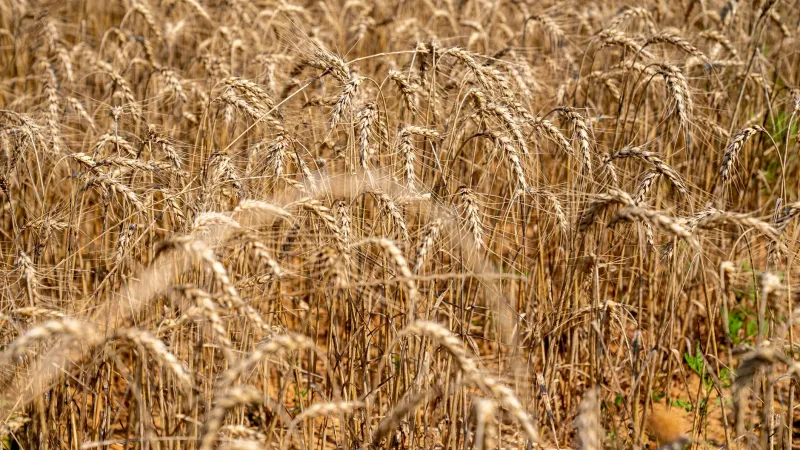
There is something deeply clarifying about standing inside a nineteenth-century gristmill while a millstone turns overhead, its rhythmic grinding filling the air with the warm, faintly sweet fragrance of freshly milled wheat. For generations, such sounds and smells were the unremarkable backdrop of American rural life. Today, they represent something rarer: a deliberate act of historical recovery, one that is reshaping how heritage farms across the United States think about land, labor, and legacy.
The resurgence of heirloom grain cultivation on restored farm properties is not merely a culinary trend. It is, at its core, an act of agricultural preservation — one that connects the physical landscape of a working farm to the deeper human story embedded in its soil.
The Grains That Built American Communities
Before industrial agriculture standardized the wheat supply and consolidated milling into a handful of corporate operations, American farms grew a remarkable diversity of grain varieties. Red Fife wheat, Bloody Butcher corn, Emmer, Einkorn, and Turkey Red were not boutique curiosities — they were the staple crops of entire communities, each variety selected over generations for its adaptability to local soils and climates.
By the mid-twentieth century, most of these varieties had vanished from commercial cultivation, replaced by high-yield hybrids engineered for uniformity rather than flavor or regional character. Seed banks and agricultural archives preserved genetic material, but the knowledge of how to grow, harvest, and mill these grains — and the cultural context that made them meaningful — largely disappeared from living practice.
The farms now leading the heritage grain revival are working to recover both the seeds and the stories.
Case Study: The Meadowbrook Mill Farm, Virginia
Nestled in the Shenandoah Valley, Meadowbrook Mill Farm operates a partially restored nineteenth-century stone mill alongside active fields of Turkey Red wheat, the same variety that Mennonite immigrants carried from Ukraine to Kansas in the 1870s and that eventually spread throughout the mid-Atlantic region. The farm's proprietors, working in close consultation with the Shenandoah Valley Agricultural History Project, began replanting Turkey Red in 2017 after sourcing heritage seed stock through a regional grain preservation network.
Today, the farm hosts monthly milling demonstrations in which visitors observe the entire process from winnowing to stone-grinding, guided by interpreters who contextualize each step within the valley's agricultural past. A partnership with a Charlottesville craft bakery has transformed the operation's flour into a commercially available product, creating an economic feedback loop that funds ongoing preservation efforts.
"We are not trying to recreate the past as a museum exhibit," the farm's director of agricultural programming has noted. "We are trying to demonstrate that the past has living utility — that these grains, these methods, and these stories still have something to offer."
Fermentation as Historical Interpretation
Perhaps no dimension of the heritage grain revival has attracted more public attention than its intersection with craft brewing. Several restored mill farms have formalized relationships with regional breweries to grow and process heirloom malting barley and heritage rye, varieties that impart flavor profiles largely absent from modern commercial beer.
At Stonepost Heritage Farm in Lancaster County, Pennsylvania, a collaboration with a nearby farmhouse brewery has centered on Chevalier barley, a variety documented in American agricultural records as early as the 1820s. The farm grows the barley using period-appropriate cultivation methods — including draft-horse tillage on select demonstration plots — while the brewery handles malting and fermentation. The resulting ale is sold exclusively at the farm's seasonal agritourism events, where visitors can trace the grain's journey from field to fermentation vessel.
This model of vertical heritage production — in which every stage of the process occurs within a historically documented landscape — offers agritourism visitors an unusually immersive encounter with agricultural history. Rather than viewing artifacts in a case, guests participate in a living process that connects them to the farmers, millers, and brewers who shaped American rural culture.
The Role of Agricultural Historians
What distinguishes the most rigorous heritage grain operations from simple nostalgia projects is the active involvement of agricultural historians and ethnobotanists. These scholars bring archival research, oral history methodology, and crop science to bear on the question of which varieties to revive, how to grow them authentically, and how to interpret their significance for contemporary audiences.
At the Kirche Valley Grain Collective in central Ohio — a loose federation of heritage farms operating along a historic German immigrant settlement corridor — agricultural historians from Ohio State University have partnered with participating farms to document the grain cultivation practices of nineteenth-century German-American farming communities. Their research has informed the selection of Spelt and Emmer wheat varieties once common in those communities, and their findings are incorporated into interpretive programming offered to visitors throughout the growing season.
This scholarly grounding lends the revival movement a credibility that purely commercial heritage branding cannot replicate. When a farm can demonstrate, through documented historical evidence, that a particular grain variety was grown on that specific land by identified historical actors, the agritourism experience acquires a dimension of genuine historical encounter.
What Visitors Can Expect
For those planning a visit to a heritage grain farm, the experience varies considerably by season and property. Spring planting demonstrations, summer field tours, fall harvest events, and winter milling workshops each offer distinct entry points into the agricultural cycle. Many properties have developed structured programming that pairs hands-on participation with interpretive context — visitors might spend a morning learning to operate a hand quern before joining an afternoon session in which a baker uses freshly milled flour to prepare a historically documented bread recipe.
Some farms have integrated their grain programming with broader heritage food experiences, offering fermentation workshops, heritage seed exchanges, and farm-to-table dinners prepared entirely from ingredients grown on the property. These multi-sensory encounters transform what might otherwise be a passive museum visit into an active engagement with agricultural history.
Preservation Through Production
The financial model underlying most heritage grain revivals is instructive. Unlike traditional agricultural museums, which depend heavily on grant funding and admissions revenue, restored mill farms that produce and sell heritage grain products generate income that directly supports preservation infrastructure. Flour sales, brewery partnerships, and agritourism programming collectively create a more resilient economic foundation than any single revenue stream could provide.
This integration of preservation and production reflects a broader shift in how the heritage agriculture community thinks about its mission. The goal is not to freeze the past in amber but to demonstrate its continued relevance — to show that the grains, mills, and methods of earlier American farming communities are not merely historical curiosities but living resources with genuine value for the present.
For visitors who make the journey to these remarkable properties, the reward is something that no museum exhibit can fully replicate: the experience of participating, however briefly, in an agricultural tradition that stretches back across centuries of American rural life.