Gathered at the Granary: Five Farm-Born Celebrations Worth Traveling For This Season
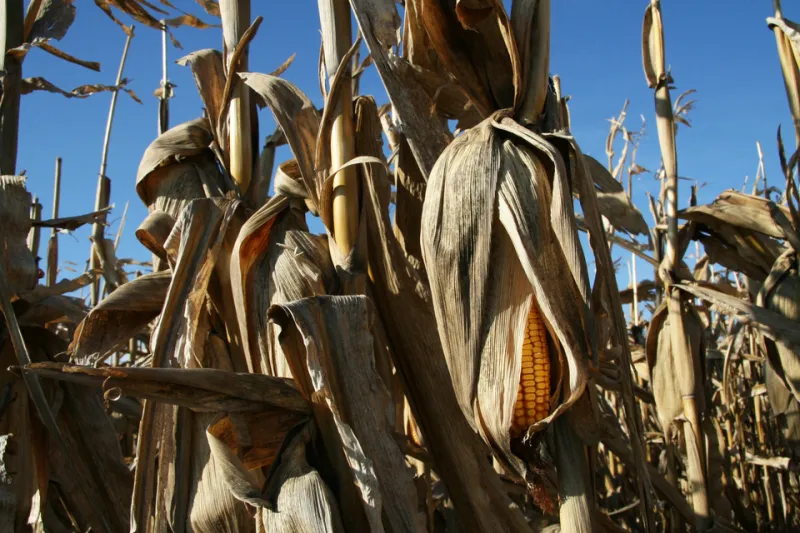
Photo: Huw Williams (Huwmanbeing), Public domain, via Wikimedia Commons
Many of America's most cherished holiday customs did not begin in churches or town squares. They began in barns and orchards, where labor was plentiful and the calendar demanded celebration exactly when the work demanded company. Five such traditions, born on the farm, can still be experienced first-hand at living history sites across the country.
1. The Corn Husking Bee
Before mechanization, husking an entire corn crop required many hands, and farm neighborhoods turned the task into a competition. A red ear — the husking bee's prized anomaly — earned the finder a kiss or a chore credit, depending on the household. Communities gathered in barns lit by lanterns, raced through crib after crib of corn, and finished with supper and fiddling.
Where to go: Living History Farms in Urbandale, Iowa, hosts seasonal husking demonstrations on its 1900 farm, and several Midwest historical societies revive the bee each October.
2. The Harvest Supper
Long before the Thanksgiving turkey, rural churches and granges hosted suppers to close the harvest — long tables in the church basement or the hired man's dining room, loaded with the year's own produce. The tradition survives most vividly in rural Pennsylvania, Ohio, and the Plains states, where volunteer fire companies and church congregations still serve ham, mashed potatoes, and pie to entire townships.
Where to go: Old-order and heritage farm museums in Lancaster County, Pennsylvania, frequently pair autumn visits with communal meal events.
3. Orchard Wassailing
Borrowed from English custom and transplanted to American cider country, wassailing involved processing through the orchard on a winter night, singing to the apple trees, and pouring cider on their roots to encourage the coming crop. New England and the Hudson Valley have revived the practice with gusto.
Where to go: Heritage cider orchards in Vermont and Massachusetts hold public wassails in early January, often with bonfires and hot drinks.
4. The Barn Raising, Remembered as Festival
The raising itself was a working bee — a day when a neighborhood assembled a structure in a single coordinated effort. Today the tradition survives as festival: heritage sites stage raising demonstrations using traditional timber-framing techniques, mortise and tenon, and crowd participation.
Where to go: Historic Deerfield in Massachusetts and the Farmers' Museum in Cooperstown, New York, have both hosted raising events open to the public.
5. The Threshing Dinner
When the threshing ring — a crew of neighbors traveling farm to farm with a shared machine — arrived, the host family was expected to feed an army. The threshing dinner became legendary for its abundance: roast chicken, mounds of bread, and every pie on the farm. Steam threshing reunions across the Midwest honor the tradition with communal meals alongside running antique machinery.
Where to go: The annual threshing bees of Minnesota, Wisconsin, and South Dakota — among them the large reunion in Rollag, Minnesota — combine working steam engines with kitchen crews serving family-style dinners.
A Season Worth Planning Around
For the heritage traveler, autumn and early winter offer the densest concentration of these events, and most are organized by volunteers who welcome visitors as participants rather than spectators. Bring gloves for the husking, a warm coat for the wassail, and an appetite for the supper — the traditions were never meant to be watched from the sidelines.