Before the Radio Came On: How Farm Families Made Their Own Entertainment
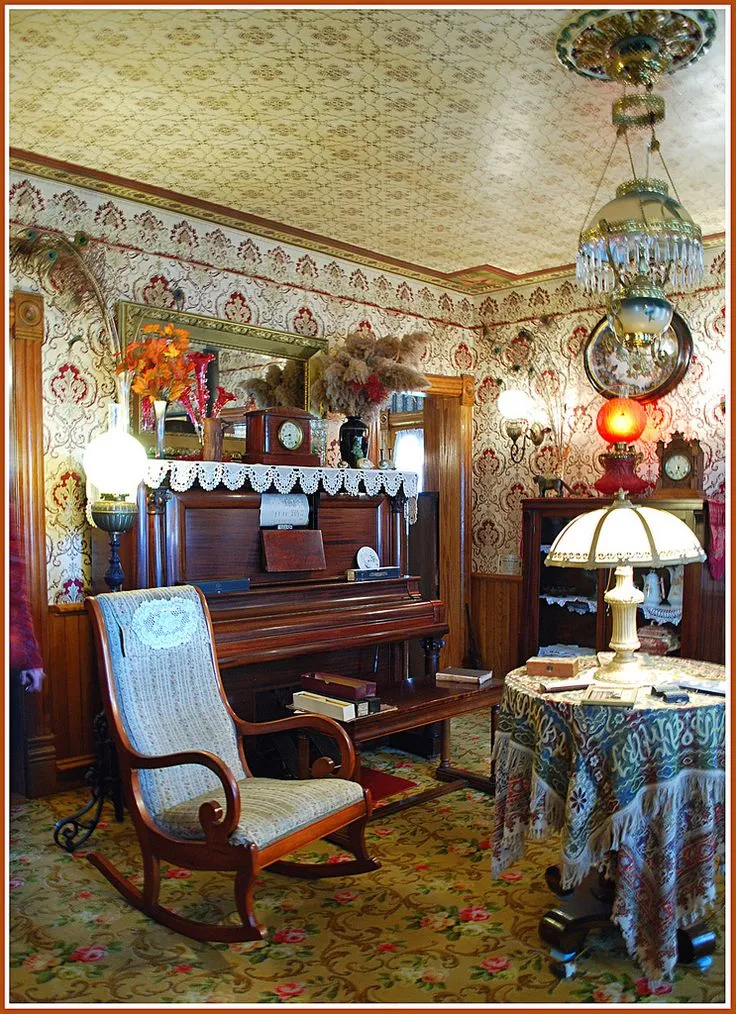
Photo: victorian farmhouse parlor historic interior piano lamplight, via i.pinimg.com
There is a particular kind of quiet that modern visitors notice first in a preserved farmhouse parlor: the absence of anything that hums. A piano. A sofa. A shelf of well-thumbed books. A deck of cards in a worn box. For nearly a century, that was the whole apparatus of American rural entertainment — and by every account, it was enough.
The Parlor as Stage
The parlor occupied a special place in the farm household. Kept tidy for company and opened fully only on occasions, it functioned as theater, concert hall, and courtroom of courtship all at once. Young people were permitted there under watchful eyes; elders presided from the best chairs; and the piano or reed organ, if the family could afford one, anchored everything from hymn sings to ragtime.
Games followed the seasons. Long winter evenings belonged to charades, parlor tableaux, and guessing games with names like Blind Man's Buff and Forfeits. In summer, the action moved to the lawn or the barn floor, where a fiddle could turn a husking bee into a dance that lasted past midnight.
Husking Bees and Barn Dances
The husking bee deserves its reputation. What began as cooperative labor — neighbors gathering to strip a field of corn before winter — ended, inevitably, in supper and music. Finding a red ear of corn earned a kiss, a prize, or both, and the line between work and play dissolved entirely once the fiddler tuned up. Square dances and play parties filled the barn loft with callers, partners, and dust, and matched anything a town dance hall could offer.
The Traveling Visitor as Event
Entertainment also arrived at the gate. The itinerant photographer, the medicine show, the silhouettist, and the patent-medicine salesman — each was an occasion, drawing farm families from miles around. Even the delivery of the season's catalog was an event in itself, its pages read aloud and argued over at the kitchen table for weeks.
The Radio Changes the Room
When battery radios reached the countryside in the 1920s and 1930s, the parlor rearranged itself around a new centerpiece. Families still gathered, but now they listened together to the same broadcast as every other family in the nation. Something local and particular — the neighbor's fiddle, the family's own harmonizing — began, slowly, to give way.
Finding It Again Today
The good news for heritage travelers is that these traditions never entirely vanished; they went dormant. Across the country, working heritage farms now host candlelit parlor evenings, old-fashioned square dances in restored barns, and costumed husking bees each autumn. Historic sites in Ohio, Iowa, and the Carolinas run hands-on programs where visitors learn parlor games by lamplight or join a shape-note singing.
Check the event calendars of living-history farms before you travel. There is no better way to understand the rural past than to be called into a figure at a barn dance, hands warmed by a stove, the fiddle striking up just as it did a hundred years ago — no electricity required, and none missed.