Steeple Over the Stubble: Five Rural Churches That Still Hold Their Ground
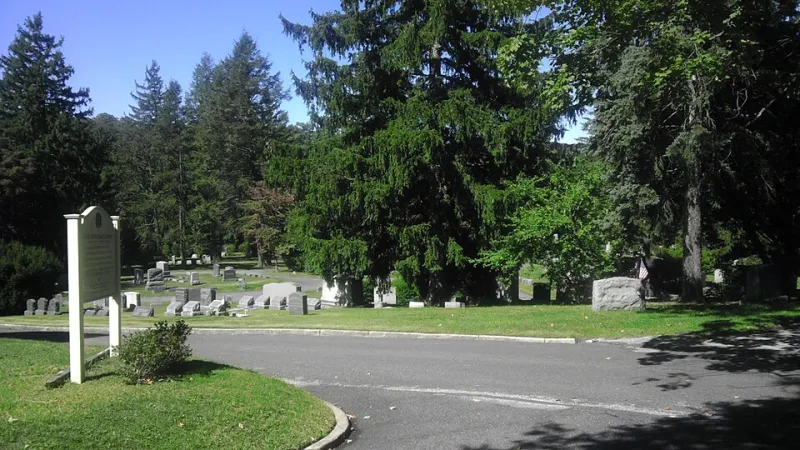
Photo: jim.henderson, CC BY-SA 3.0, via Wikimedia Commons
In the geography of rural America, the church was the fixed point. Roads bent to meet it, cemeteries grew around it, and farm families measured their weeks by its bell. As farms consolidated and towns thinned, many of these congregations dwindled — but a surprising number of their buildings remain, kept alive by volunteers, historical societies, and descendants of the founding families. These five reward the pilgrim who makes the trip.
1. The Prairie Lutheran Chapels of Minnesota and the Dakotas
Follow the old homestead routes and you will find small white clapboard churches raised by Norwegian and Swedish immigrant farmers, their interiors painted in folk styles carried across the Atlantic. Many, like the surviving country congregations of the Minnesota River valley, still hold summer services and lutefisk suppers, and their adjoining cemeteries read like a ledger of the township's founding farm families.
Visiting: Most are open seasonally or by appointment through county historical societies; check local heritage festival dates, when services and tours coincide.
2. New England's Weathered Meetinghouses
In hill towns of Vermont, New Hampshire, and western Massachusetts, the classic white meetinghouse with its tiered steeple often predates the surrounding stone walls. Several, including the famed church at the center of a certain Vermont village green, remain active congregations; others survive as museums. Their association with the farmsteads that built them is visible in the family pews, many still marked with brass plates.
Visiting: Sunday services welcome visitors; the fall foliage season makes the drive itself part of the experience.
3. The Brick Country Churches of Virginia's Piedmont
Rural Virginia preserves a distinctive strain of colonial and antebellum country churches — modest brick rectangles with galleries, box pews, and churchyards shaded by ancient oaks. Many served plantation and small-farm communities alike and still hold annual homecoming services that draw descendants from across the country.
Visiting: Look for the state's historic church trail markers; homecoming Sundays, usually in late summer, are the best time to hear the stories firsthand.
4. German Catholic Steeples on the Texas Hill Country Frontier
The painted churches of Schulenburg — Sts. Cyril and Methodius and their neighbors — are perhaps the most spectacular rural churches in America: plain wooden exteriors concealing interiors covered in frescoes, stenciling, and gilded detail, painted by the German and Czech immigrant farmers who built them in the 1800s. They remain active parishes surrounded by working ranchland.
Visiting: The Schulenburg area offers a mapped painted-church tour, with docents available most days; combine it with the region's Czech-Texan farm heritage stops.
5. The Sod-Hymn Churches of the Nebraska Sandhills and Plains
Where timber was scarce, prairie congregations built with what they had — and a few humble frame and even sod-derived structures survive on the high plains, often maintained by the families whose ancestors hauled the lumber fifty miles by wagon. Their isolation is part of the experience: you will likely have the churchyard to yourself, the wind in the grass the only accompaniment.
Visiting: Contact regional historical societies in Nebraska and the Dakotas; many hold annual memorial services that keep the buildings consecrated and the doors open.
A Note for the Heritage Traveler
These churches are not ruins; they are kept places, and they ask something of their visitors — respect for the graves, a signature in the guest book, perhaps a donation toward a new roof. In return they offer something rare: the chance to stand exactly where generations of farm families stood, the fields still pressing close around the door.